

Elephant Veterinary training Course

Learn where elephant healthcare, welfare and conservation meet.
6-day intensive in-situ clinical & lab training on Asian elephant medicine.

PROGRAMME OVERVIEW

Why This Course?

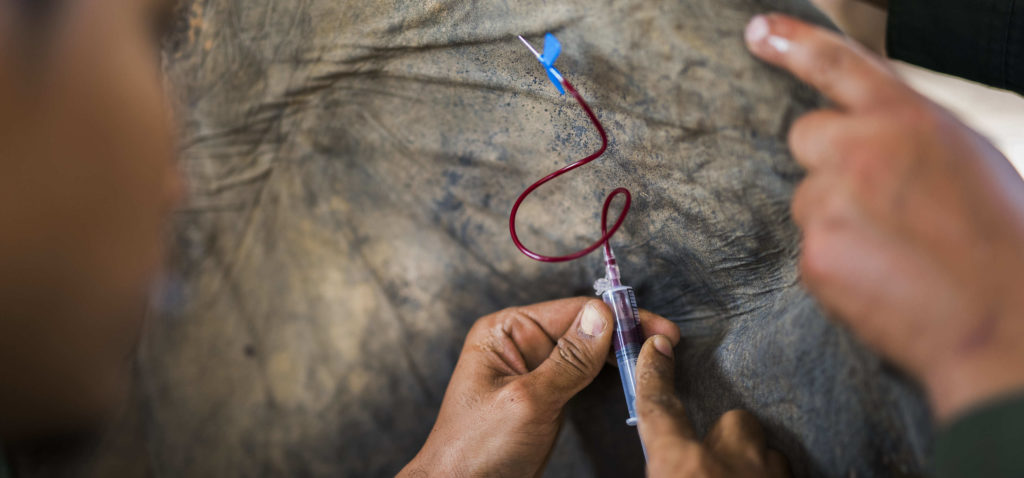
Asian elephants (Elephas maximus) are listed as Endangered by the IUCN Red List due to extensive habitat loss, fragmentation and human-elephant conflict (IUCN). Yet veterinary programs rarely cover elephant-specific medicine. This course fills that gap by providing hands-on, elephant-focused clinical training. Participants will practice low-stress handling, routine health checks, and disease monitoring (EEHV, TB) – skills often missing from standard vet curricula. The program’s deliberate 6-day learning arc (biology -> management context -> priority diseases -> clinical workflow -> integration) equips vets to make an immediate conservation impact. All content is delivered in real-world settings, ensuring your new knowledge directly translates to improved elephant care on the ground.
W

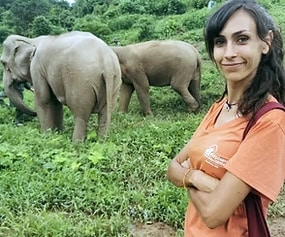
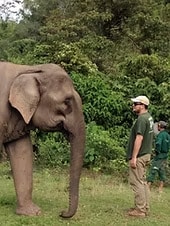
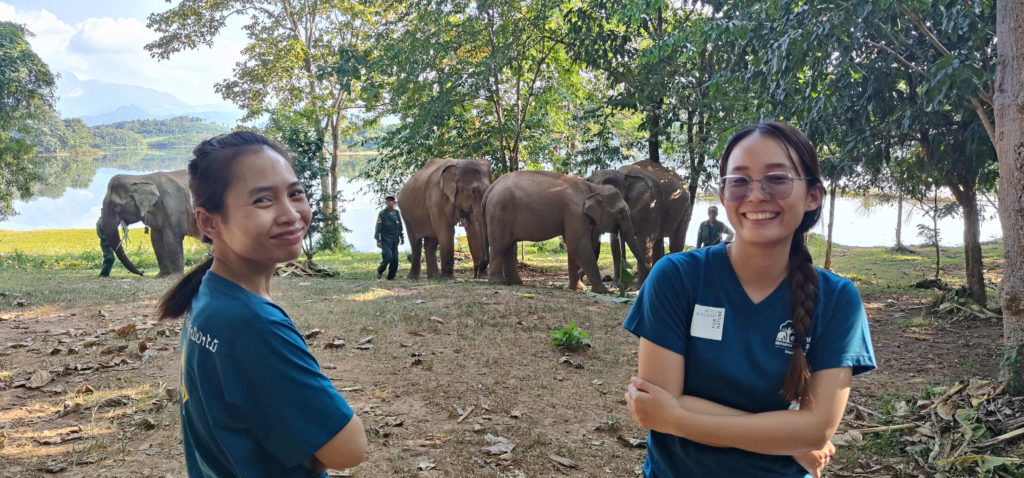
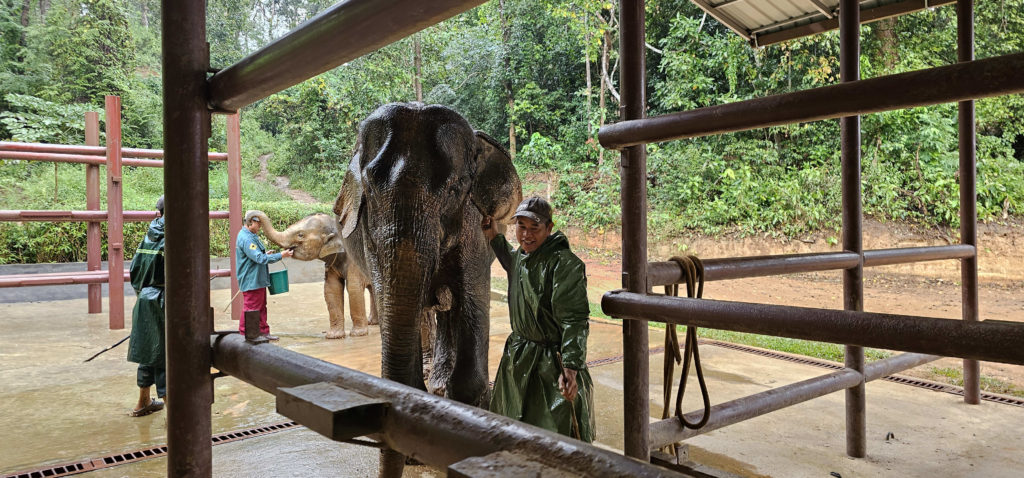
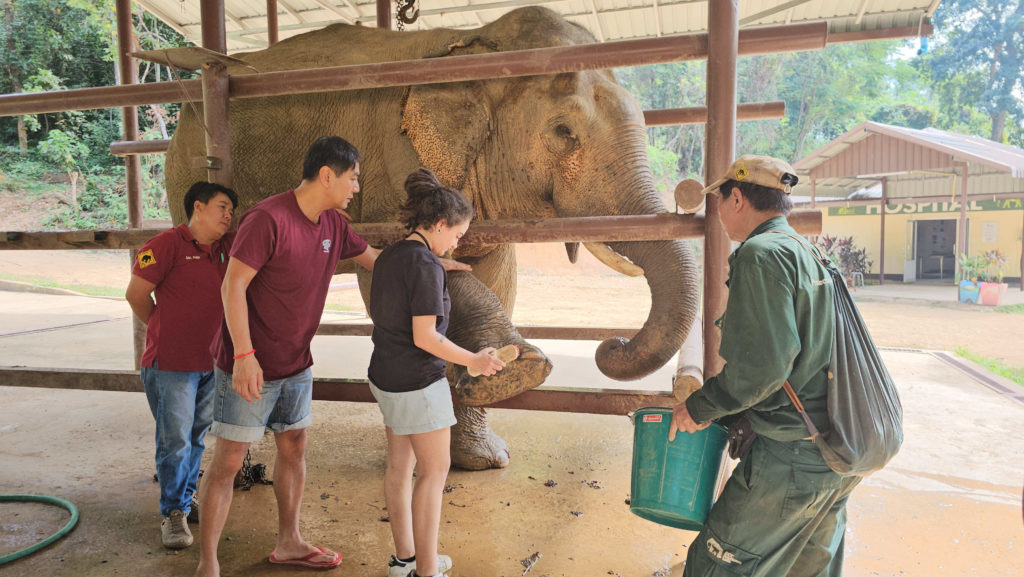
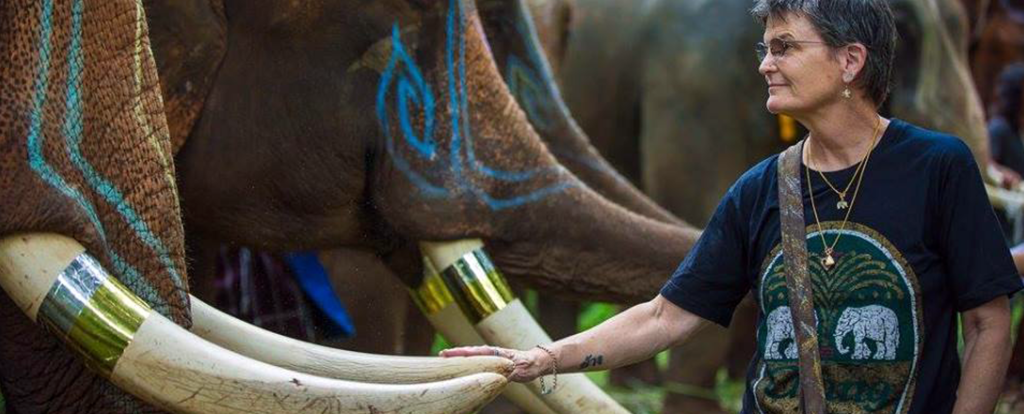
  • The ECC/ECORE Institute is a nature-lover’s paradise and an ideal place to learn about elephants. Situated on the serene banks of Nam Tien Lake, it is home to 27 rescued Asian elephants and their mahouts. The Elephant Hospital, protected contact wall, a well-equipped clinical laboratory, indoor and outdoor classrooms, 540 hectares of forest habitat, hiking trails, and viewing platforms create the perfect setting for learning. On-site lodging and meals and round-trip transportation to/from Luang Prabang make for an exciting and logistically easy experience for students traveling to Laos.
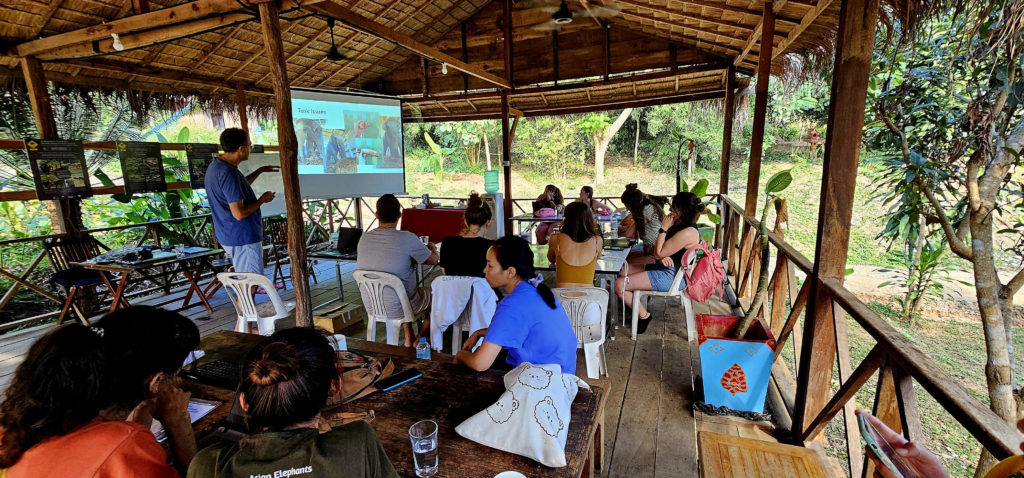
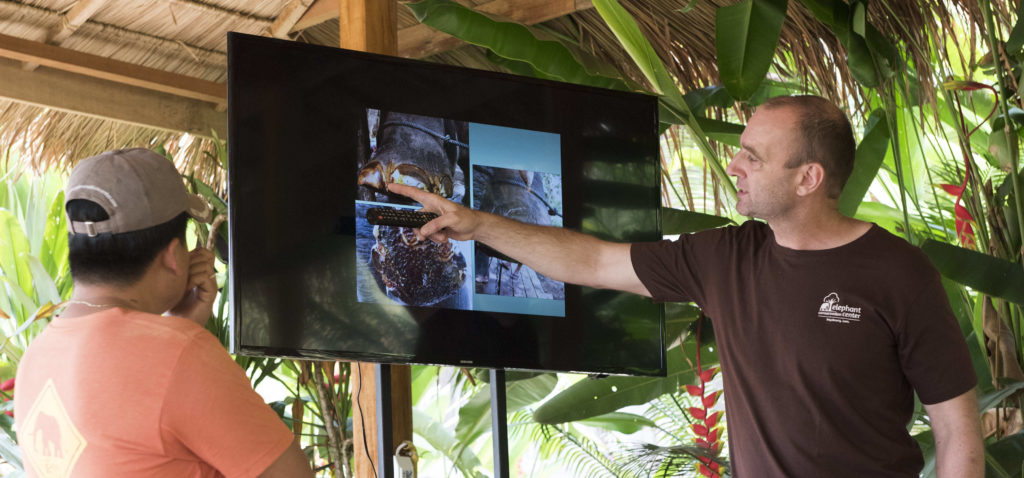
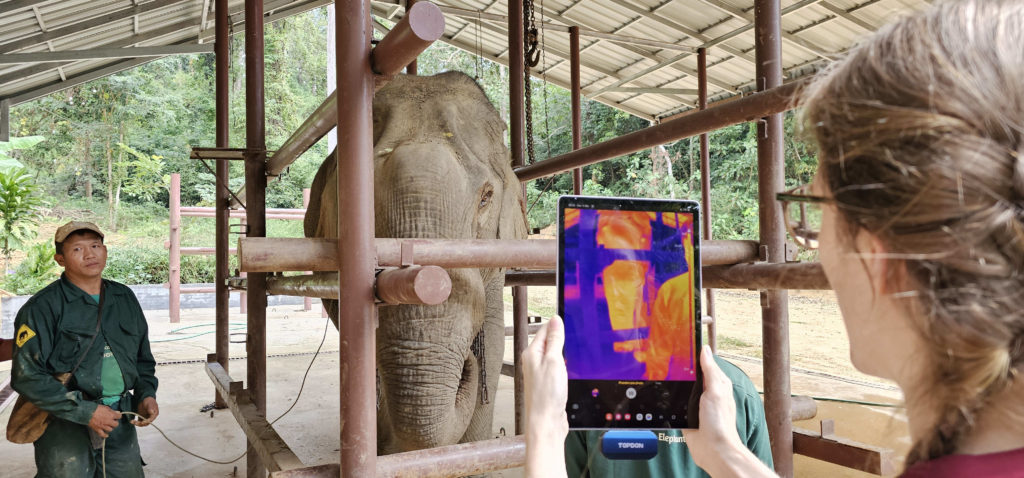
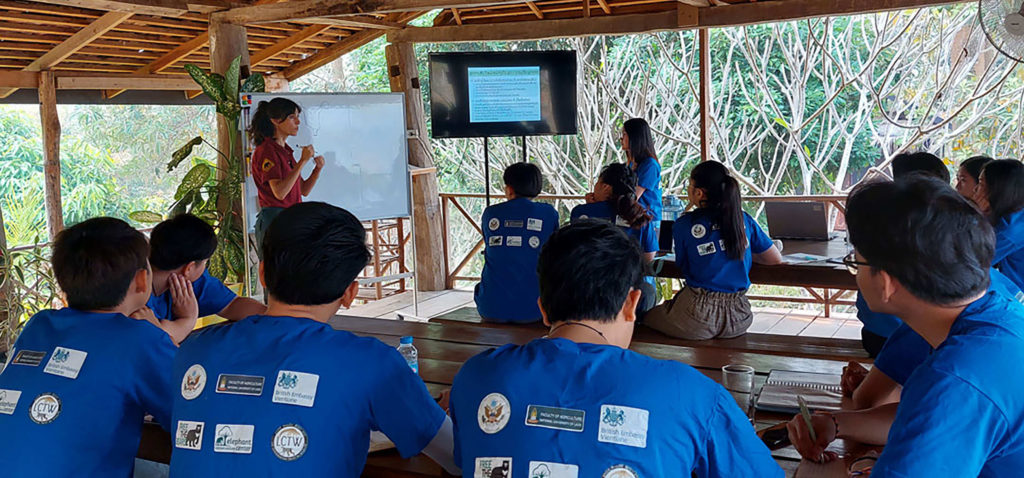
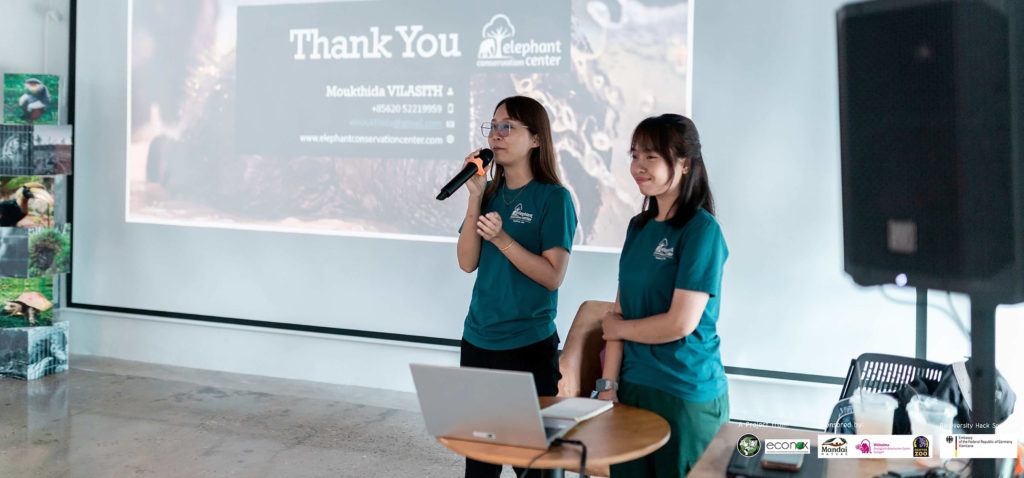
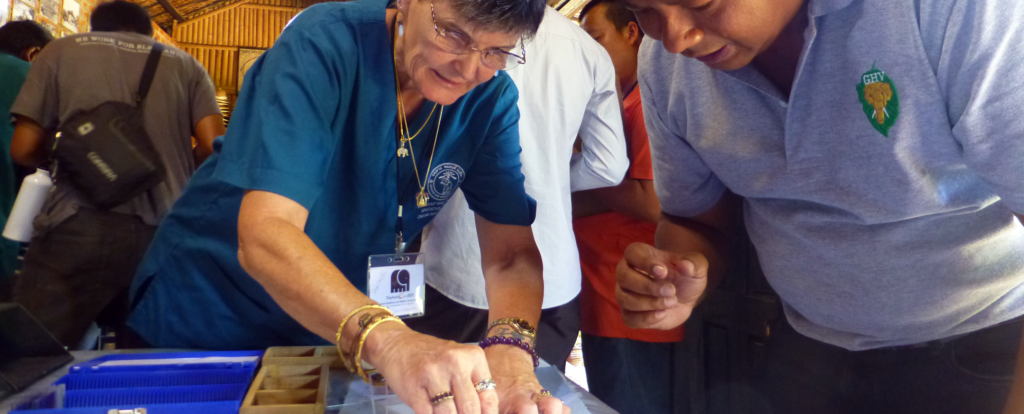
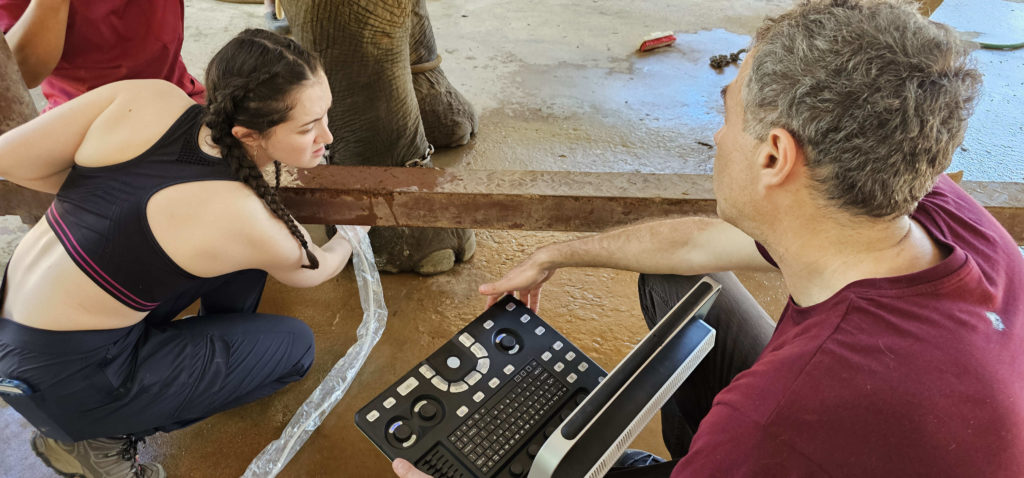
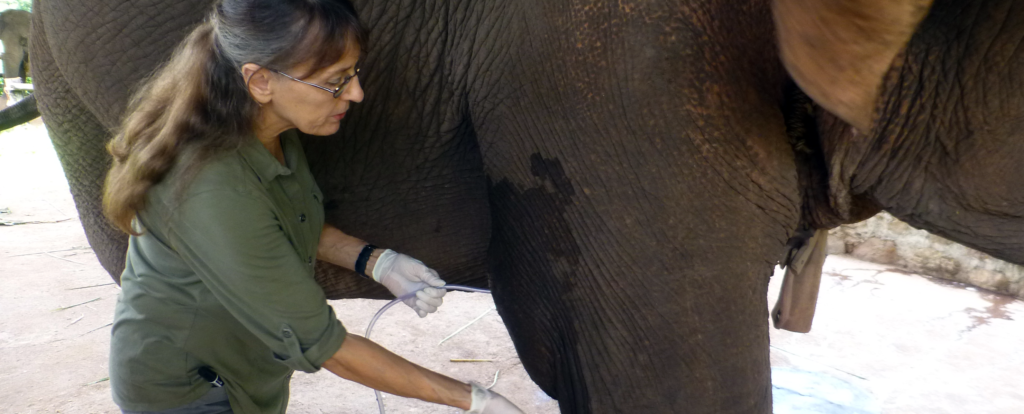
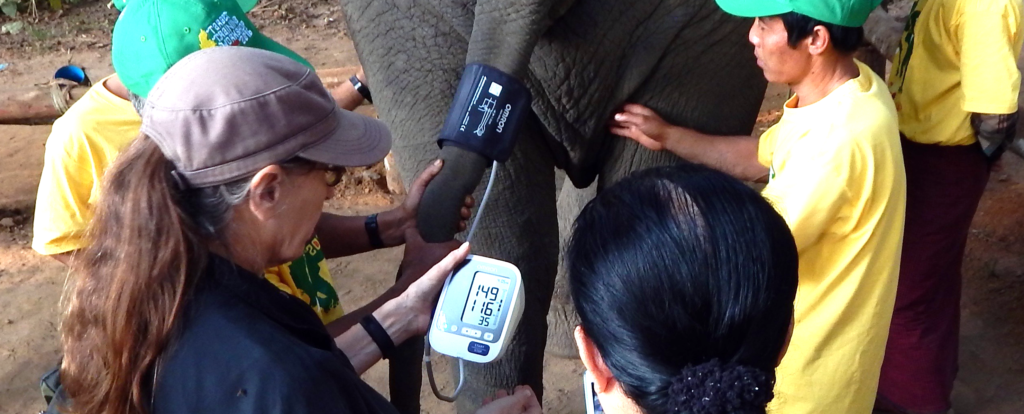
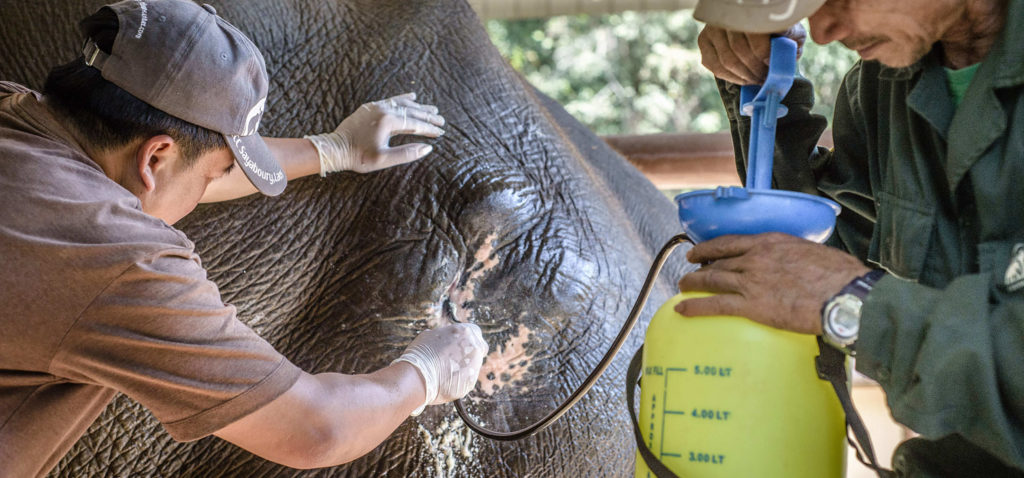
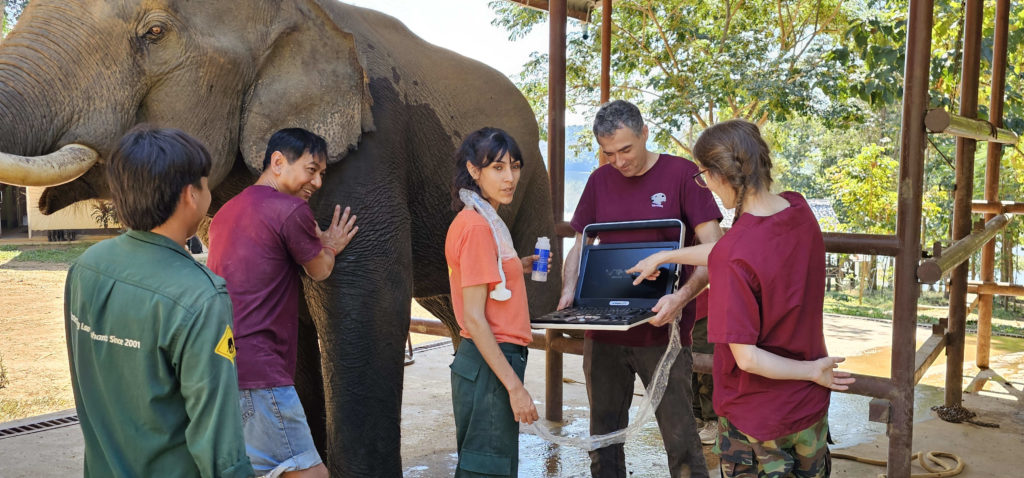
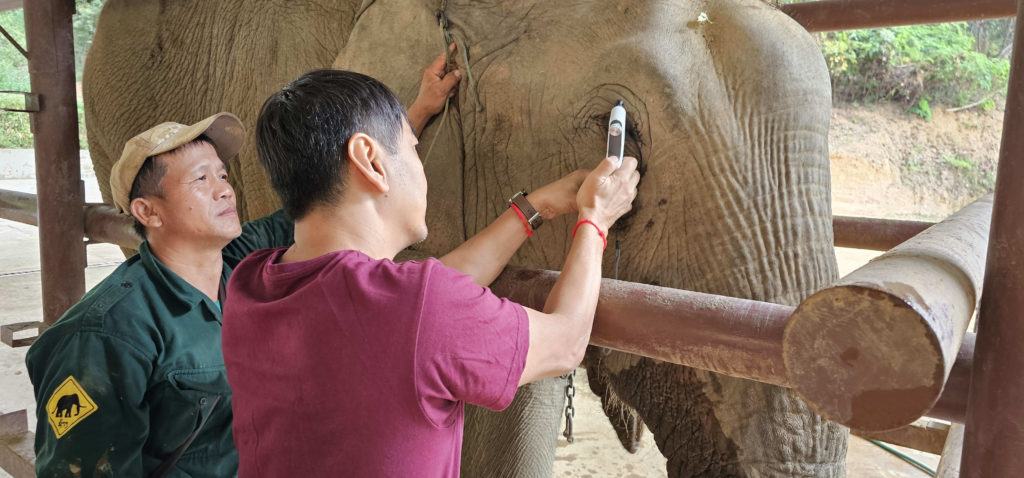
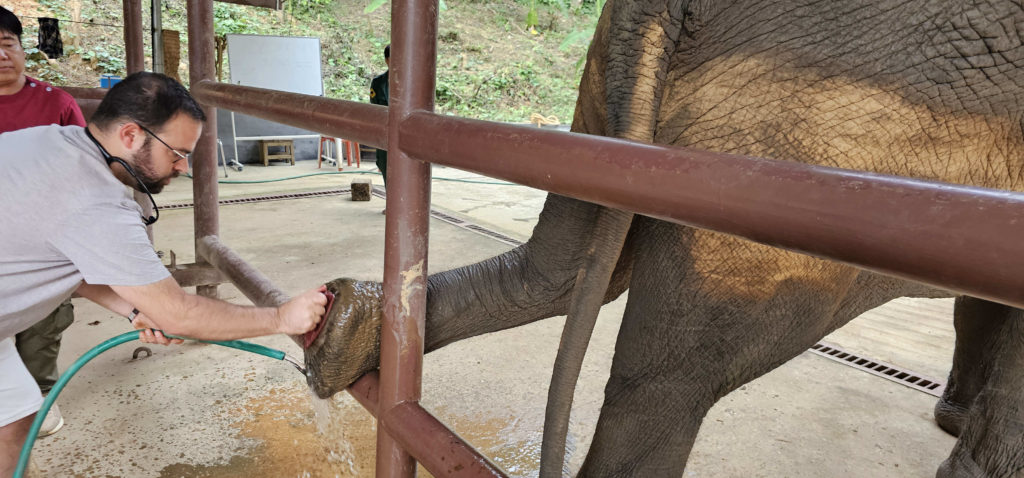
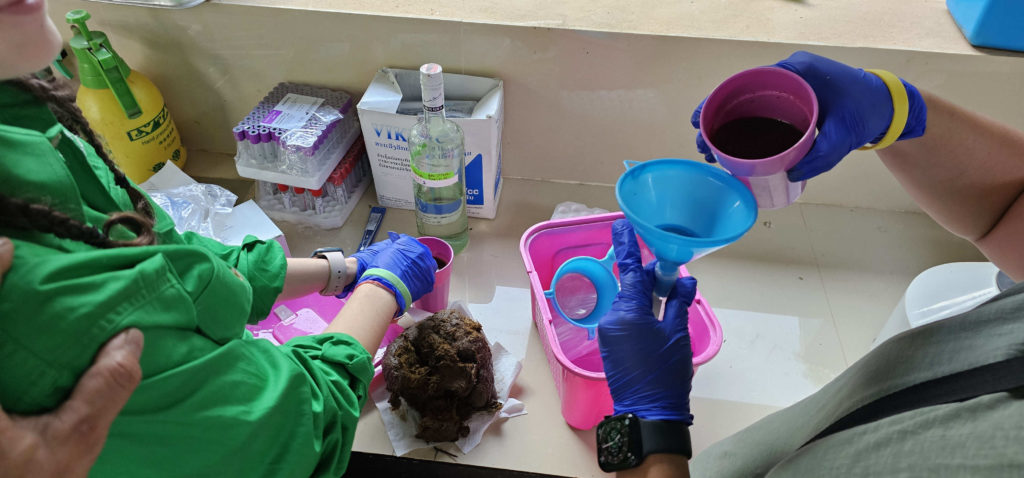
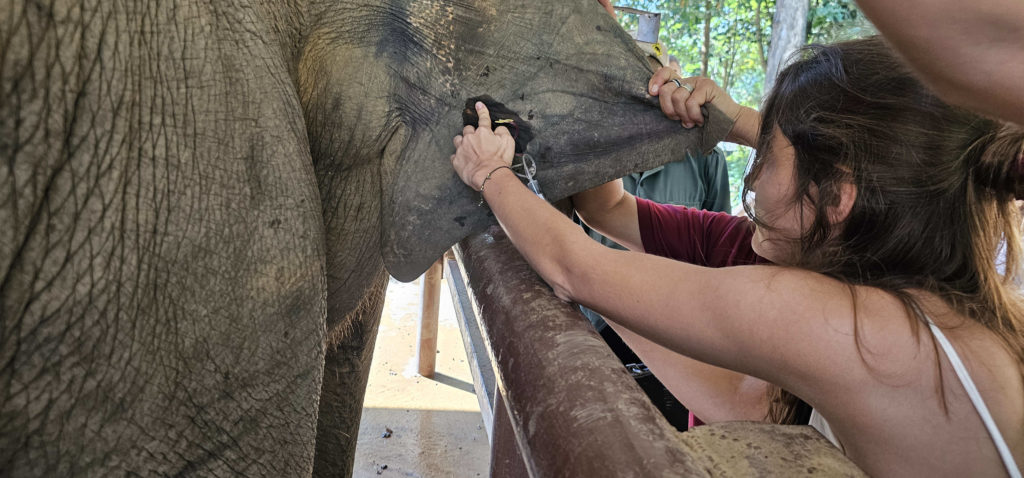
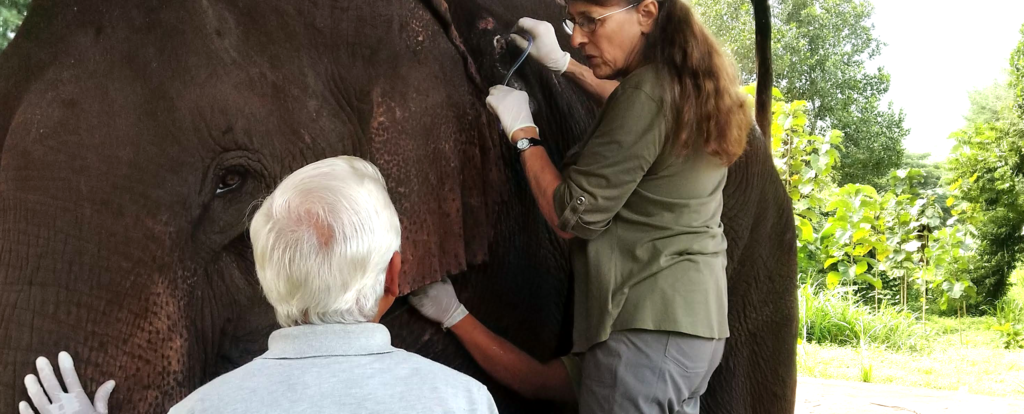
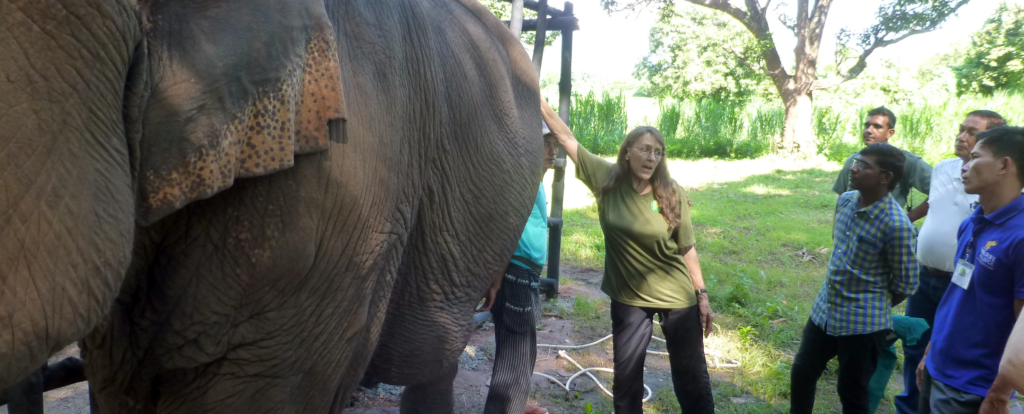
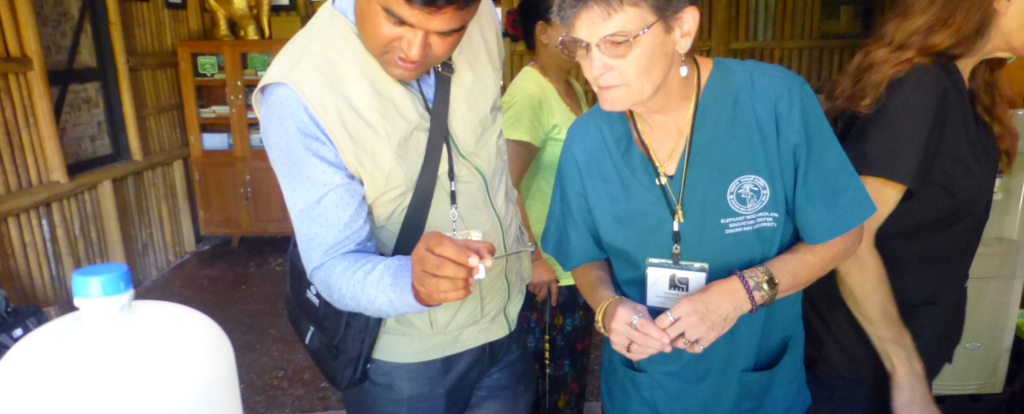
  • In this course, a wide range of topics will be explored through lectures, hospital and lab instruction, hands-on-practice of healthcare techniques, field work, forest excursions, and group participation activities.

Who Should Attend

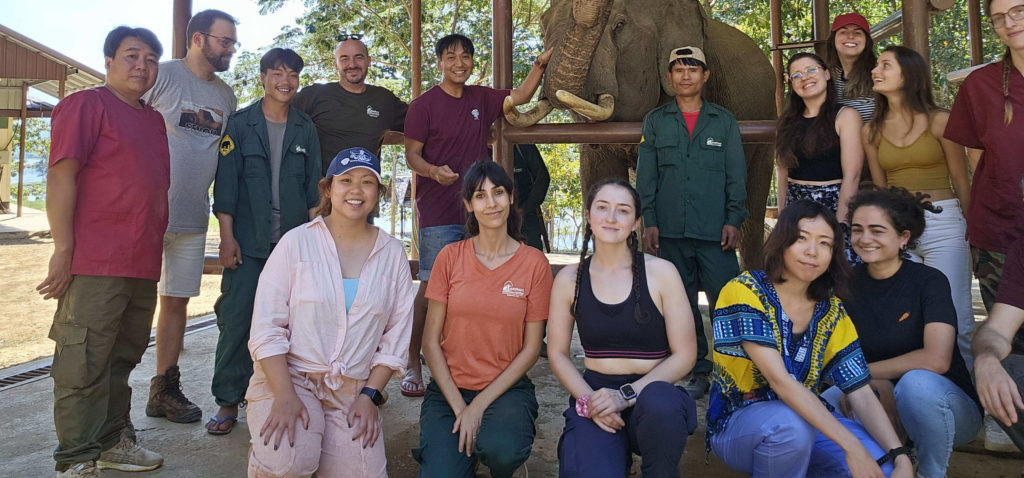
  • Our comprehensive, six-day veterinary course offers participants an overview of elephant conservation medicine. It is specifically oriented to 4th and 5th-year veterinary students and recent graduates with some clinical experience who are interested in learning about elephant conservation medicine with a focus on Asian elephants. However, all applications will be considered, even if applicants do not fall into any of the aforementioned categories..
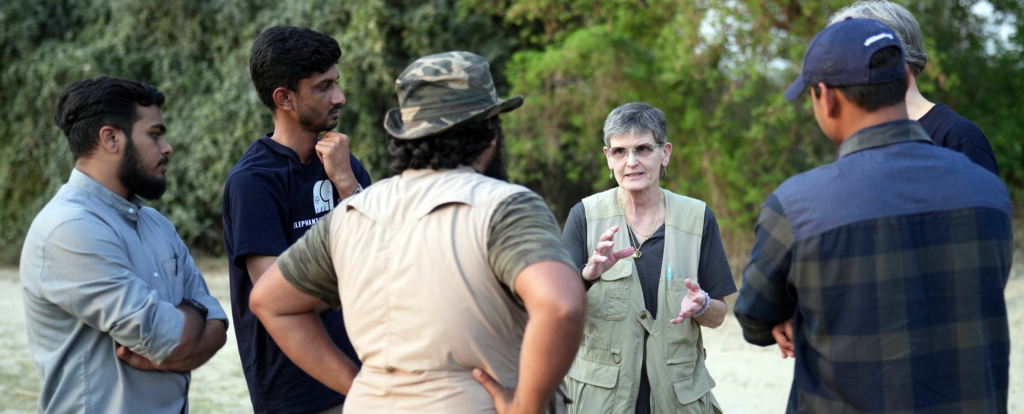
  • Designed by a global team of practicing elephant veterinarians, biologists, scientists, and conservationists, it will take place at the Elephant Conservation Center (ECC) in Sayaboury, Laos.

Group Size & Accommodation

We welcome a minimum of 5 participants and a maximum of 15 participants per course to ensure a focused experience. Participants will stay in shared dormitory accommodation on-site at the Elephant Conservation Center (other accommodation options are available for an additional fee). Meals are served family-style, featuring authentic Lao cuisine. Our site is remote, peaceful, and surrounded by natural forest — offering unparalleled access to elephants in semi-wild conditions.

MEET OUR INSTRUCTORS

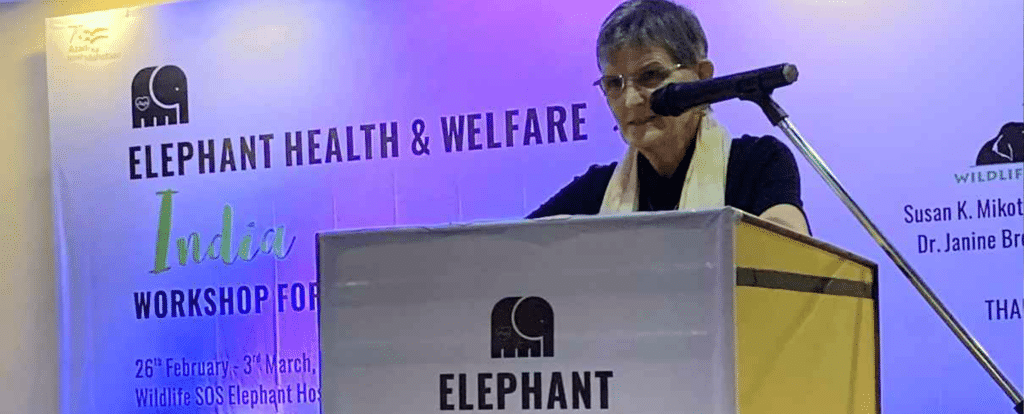
Susan K. Mikota, DVM

Founder & Director

Veterinary Programs & Research

Elephant Care International, USA

Janine L. Brown, PhD

Senior Scientist Emeritus

Smithsonian’s National Zoo

& Conservation Biology

Institute, USA & Thailand

Anabel López Pérez, PhD

Wildlife Biologist,

Head of Research & Education

Elephant Conservation Center

& ECORE Institute, Laos

Dr. Susan Mikota is co-founder and Executive Director of Elephant Care International. She is a member of the Asian Elephant Specialist Group and a Diplomate of the American College of Animal Welfare (ACAW). She co-edited the textbook Biology, Medicine, and Surgery of Elephants (with Murray Fowler DVM).

Susan created and maintains the world’s largest elephant bibliographic database on elephant healthcare and with Donald C. Plumb, Pharm D. has published the first elephant formulary. She was awarded a Guggenheim Fellowship for her work with Sumatran elephants. As an instructor, she helped to create and participated in the “EleVETS Training Program” (Sri Lanka, 2017), “Elephant Healthcare and Welfare workshop” in Myanmar (2018), “Pathology Training for Elephant Veterinarians” workshop in Myanmar (2019), and the “Elephant Health & Welfare INDIA” workshops in India (2023 and 2026). Susan leads elephant health camps throughout Asia.  Contact: [email protected]

Dr. Janine L. Brown is a Research Physiologist with over 35 years of experience conducting wildlife research throughout the world. She heads the Endocrine Research Laboratory at the Smithsonian Conservation Biology Institute in Front Royal, Virginia, and works towards increasing knowledge that will lead to better management, welfare, and conservation of endangered species, particularly elephants.

She has developed techniques to measure hormones and other biomarkers in serum, plasma, urine, feces, hair and saliva of dozens of species, and in doing so has amassed an extensive database demonstrating the diversity of reproductive, health and stress response mechanisms that exist in the natural world.

Janine has been a strategic partner and instructor for ECI veterinary workshops, including the “Elephant Healthcare and Welfare workshop” in Myanmar (2018) and the “Elephant Health & Welfare INDIA” workshops in India (2023 and 2026). Her instructional focus is on Asian elephant welfare.

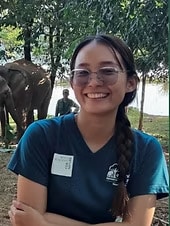
Dr. Anabel López Pérez is a wildlife biologist with over 13 years of experience in elephant welfare, management, and behavior at the Elephant Conservation Center in Sayaboury, Laos where she currently serves as Head of Research and Education and ECORE Program Manager.

She completed her Ph.D on male elephant social networks, and now aims to improve management strategies for elephant conservation. Her work includes overseeing the welfare of rescued elephants, facilitating social group integration, and collaborating on veterinary and conservation efforts, including organizing educational programs for local and international veterinarians.​

Anabel also partners with the Lao Conservation Trust for Wildlife to run the WildMED Wildlife Emergency Response Team, expanding care for wildlife across Laos. Her research and practical expertise make her a key contributor to elephant conservation and broader biodiversity protection in the region.

She is a member of the IUCN SSC Asian Elephant Specialist Group.

Dr. Moukthida Vilasith

ECC Head Veterinarian, Laos

Dr. Pavina Chalernsouk

ECC Veterinarian, Laos

Sounthone Thisamone (Kan)

ECC Vet Technician

&  Elephant Manager, Lao

Jamie Russell

ECC Biologist, Laos

COURSE TOPICS

  • Introduction to elephants
  • Elephant management in captivity
  • Elephant welfare
  • Implications of climate change for elephant welfare
  • Challenges and rewards of international veterinary conservation work
  • Field Work:
    • ​Safety working around elephants
    • Positive Reinforcement Training demonstration
    • Elephant welfare assessment
  • Elephant anatomy and physiology
  • Signs of health and disease
  • Diagnosis / diagnostic tools
  • Physical exam of elephants
  • Body condition scoring and estimating weight
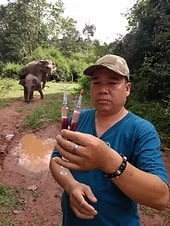
  • Administration of medication
  • Training elephants for medical procedures
  • Field Work:
    • ​Perform physical examination
  • Field Work:
    • Elephant observation in the forest

  • Introduction of diseases and disorders
  • Diagnosis and treatment of TB
  • Elephant endotheliotropic herpesvirus (EEHV)
  • GI disorders
  • Foot problems and care/arthritis
  • Parasites
  • Wounds and wound care
  • Eye problems
  • Field & Lab Work:
    • Foot care​
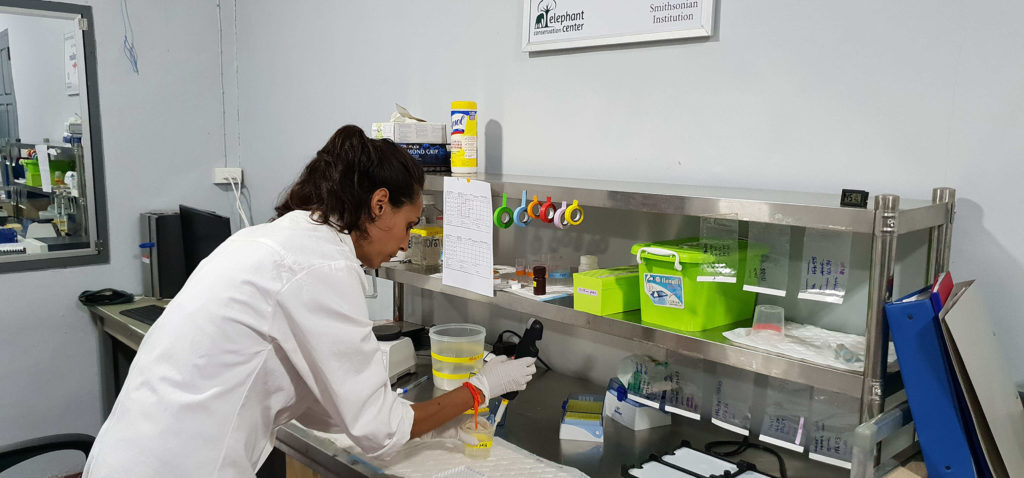
    • Lab analysis (WBC, HCT, TP, parasites)
  • Female reproduction
  • Musth and bull management
  • Breeding management and socialization
  • Birth and neonatal care

Veterinary Clinical Competence: Build participants’ general knowledge and skills in elephant-specific health assessment, diagnosis, and interventions.

Conservation Literacy: Ensure understanding of the socio-ecological context of Asian elephants (e.g., conflict issues, welfare in captivity, etc.) and the role of veterinarians in conservation programs.

Capacity Building: Strengthen local elephant healthcare leadership by generating support for Lao elephant veterinarians.

Perform clinical exams on Asian elephants, crucial for their health and welfare.

Understand elephant herd structure, social roles, and leadership dynamics relevant to elephant management and welfare.

Identify common diseases in elephants.

Provide basic care for elephants.

Understand the normal physiological parameters observed during clinical examinations.

Safely participate in and assist with medical procedures on elephants in a field setting.

Apply best-practice animal welfare, biosecurity, and personal safety protocols during veterinary work.

Understand the conservation challenges of the Asian elephant in range countries.

ECORE/ECC programs prioritize local capacity-building by providing internships, courses, and workshops to Lao veterinary students. Attendance at this six-day veterinary course will help provide scholarship support for these programs.

The course fee covers the following for its full duration:

  • Accommodation: On-site lodging in shared bunk-bed dormitories. Optional: Limited upgraded accommodations (private or shared single rooms) can be arranged at additional cost.
  • Meals & Water: Three meals per day (breakfast, lunch, dinner) plus drinking water. (Vegetarian and vegan options are available.)
  • Transportation: Round-trip transfers between Luang Prabang (nearest city) and ECC, plus all local transport during the course.
  • Laboratory Access: Full use of ECC’s laboratories (endocrinology, DNA/genetics, clinical pathology) and core equipment for hands-on training sessions.
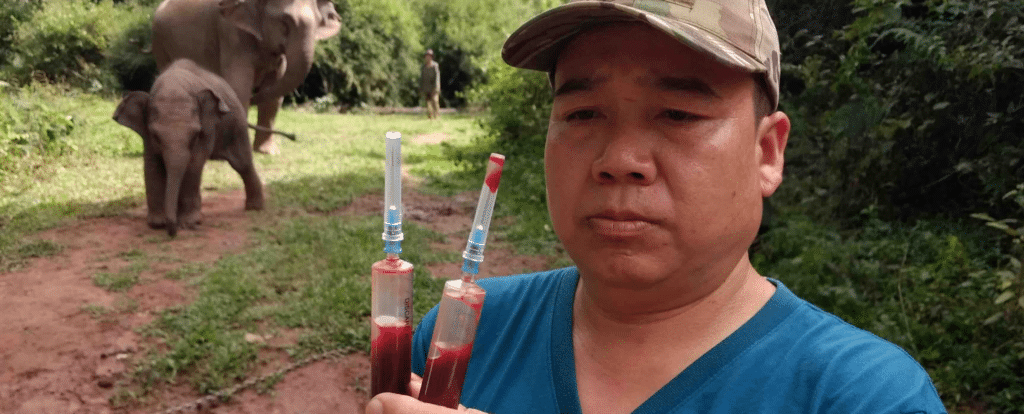
  • Data & Samples: Guided access to ECC’s health monitoring data (non-sensitive) and existing biological samples; participants will collect and handle samples under supervision during practicals.
  • Professional Supervision: All instruction and supervision by ECC veterinarians (lectures, case discussions, clinical oversight) and veterinary technicians (lab procedures, equipment facilitatio
  • Course Fee: $2,489.
  • What’s Included? The course fee covers:
    • Accommodation: On-site lodging in shared bunk-bed dormitories. Optional: Limited upgraded accommodations (private or shared single rooms) can be arranged at additional cost.
    • Meals & Water: Three meals per day (breakfast, lunch, dinner) plus drinking water (vegetarian and vegan options are available.)
    • Ground Transportation: Round-trip transfers between Luang Prabang (nearest city) and ECC.
    • Laboratory Access: Use of ECC diagnostic laboratory and core equipment for hands-on training sessions.
    • Professional Supervision: All instruction and supervision by course instructors and ECC staff.
    • Scholarship Support for Lao Veterinarian: A $150 donation from the course fee will support internships, supplies, and workshop and course fees for Lao veterinary students.
  • What’s Not Included?Airfare, vaccinations, visas, personal insurance, costs for optional accommodations (e.g., Forest House, Lakeside Bungalow, or Deluxe Lodge), and extra baggage.Participants should bring standard field/veterinary attire, binoculars, a small field notebook, and their own PPE, if desired. Internet is limited on-site; please plan accordingly.n, safety monitoring).

Participants should bring standard field/veterinary attire (scrubs, rubber boots, hat) and their own PPE if preferred. Internet is limited on-site; please plan accordingly.

Working with elephants carries risks; we mitigate these with strict protocols. All elephant handling during the course follows protected-contact guidelines Safety briefings and emergency procedures (e.g. rescue plans) are reviewed at the start.

FEES, DATES & REGISTRATION

Fee

Tuition & Fees

Minimum Participants: 5

Maximum Participants: 15

US$ 2,489

Not included: airfare, vaccinations, visas, personal insurance, optional private housing.

Dates

2026 – 2027 Sessions:

7 – 12 December 2026

Registration

For more information contact the ECORE Program coordinators:

Email: [email protected]

Website: www.elephantconservationcenter.com (application and registration form available online)

Application Deadline: 60 days prior to course start.

Applications require a brief veterinary CV and statement of interest. Early application is recommended due to limited class size.

Apply Now!

Want to Learn More?

Programme Brochure

Contact Our Team

PARTNERS